ASUS
ASUS
How Much RAM Do You Actually Need for Gaming?
Verified Hardware Analysis · Published May 25, 2026

Introduction: Understanding RAM's Role in Gaming
Random Access Memory (RAM) is a critical component for smooth gaming performance. It determines how quickly your system can access data, such as game assets, textures, and background processes. Underestimating your RAM needs can lead to stuttering, long load times, or even crashes. This guide breaks down the recommended RAM capacity for modern gaming, using real-world examples from laptops like the ASUS ROG Strix G16 and Razer Blade 16 to help you make an informed decision.
Current RAM Standards for Gaming
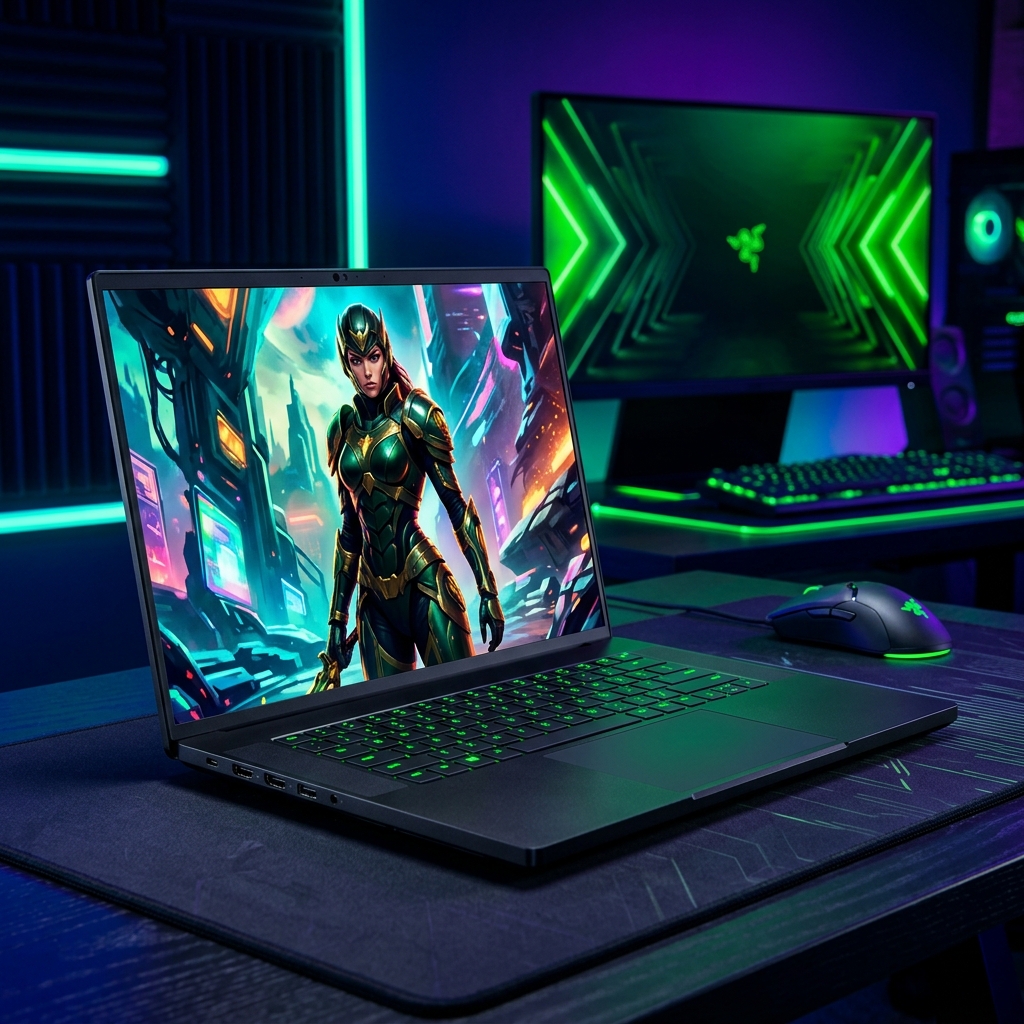
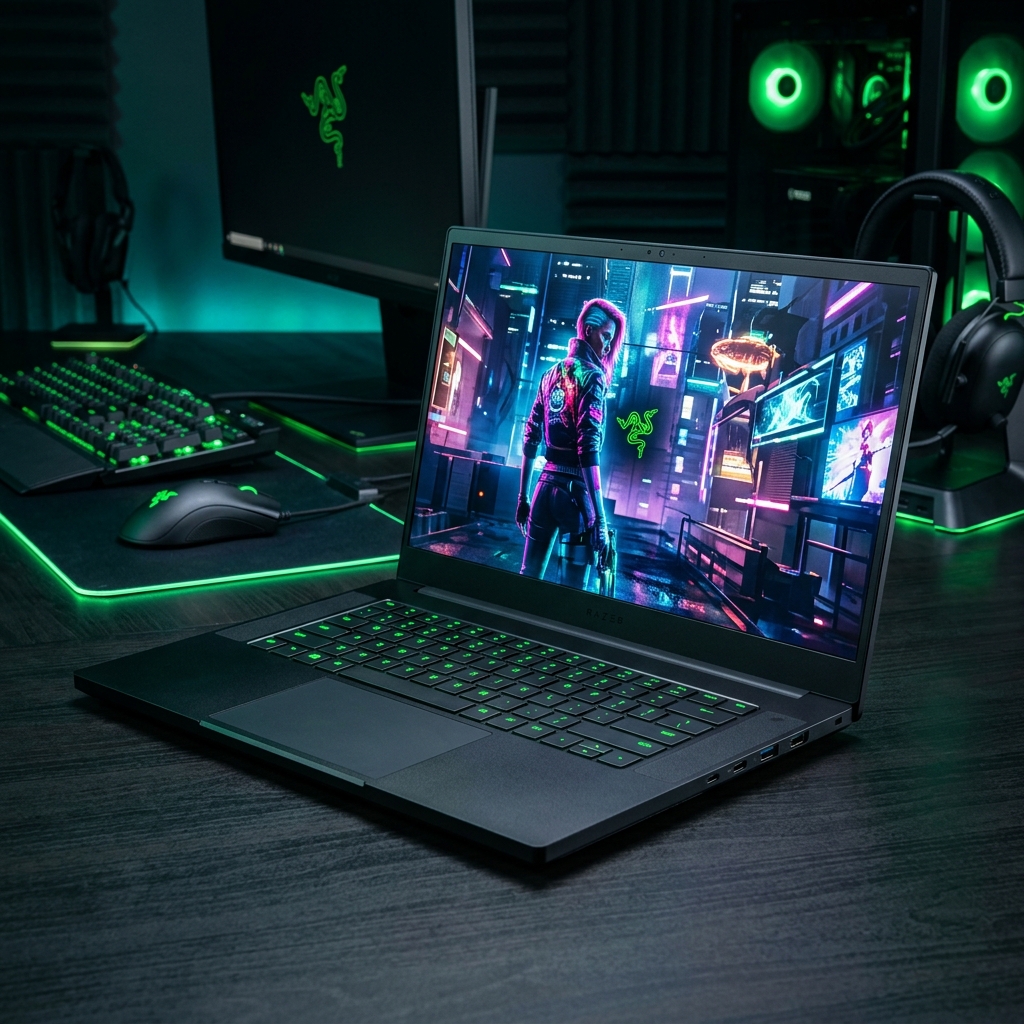
As of 2024, 16GB of RAM is the standard for most gamers. Entry-level laptops like the MSI Katana 15 ($799.99) typically come with 16GB, which suffices for most titles at 1080p resolution. Mid-tier models such as the Acer Predator Helios 16 ($999.99) also prioritize 16GB, balancing cost and performance. For enthusiasts, high-end laptops like the Lenovo Legion Pro 7i ($2099.99) and ASUS ROG Zephyrus G14 ($1499.99) often feature 32GB, ensuring seamless multitasking and future-proofing. The Razer Blade 16 ($3599.99), a premium option, commonly ships with 32GB or more to support 4K gaming and streaming.
Top Recommended Picks
Top Picks Based on Real Benchmarks
Factors Influencing RAM Needs
Your RAM requirements depend on three key factors: game types, multitasking habits, and resolution. Esports titles like Counter-Strike 2 or League of Legends run smoothly on 8GB, but AAA games like Cyberpunk 2077 or Starfield demand 16GB for optimal performance. Streaming or running background apps (e.g., Discord, OBS) increases memory usage, making 32GB ideal for content creators. Higher resolutions like 4K also strain system resources, favoring configurations like the Razer Blade 16’s 32GB+ setup.
RAM Recommendations by Game Type
For esports and casual gaming, 8–16GB is sufficient. Laptops like the MSI Katana 15 handle these tasks effortlessly. AAA single-player games require 16GB; the Acer Predator Helios 16 and ASUS ROG Strix G16 (16GB) excel here. Streaming or productivity-heavy use calls for 32GB, as seen in the Lenovo Legion Pro 7i and Razer Blade 16. If you’re eyeing future releases, investing in 32GB now (e.g., the ASUS ROG Zephyrus G14) avoids upgrades down the line.
More Great Options
Top Picks Based on Real Benchmarks
 Acer
Acer
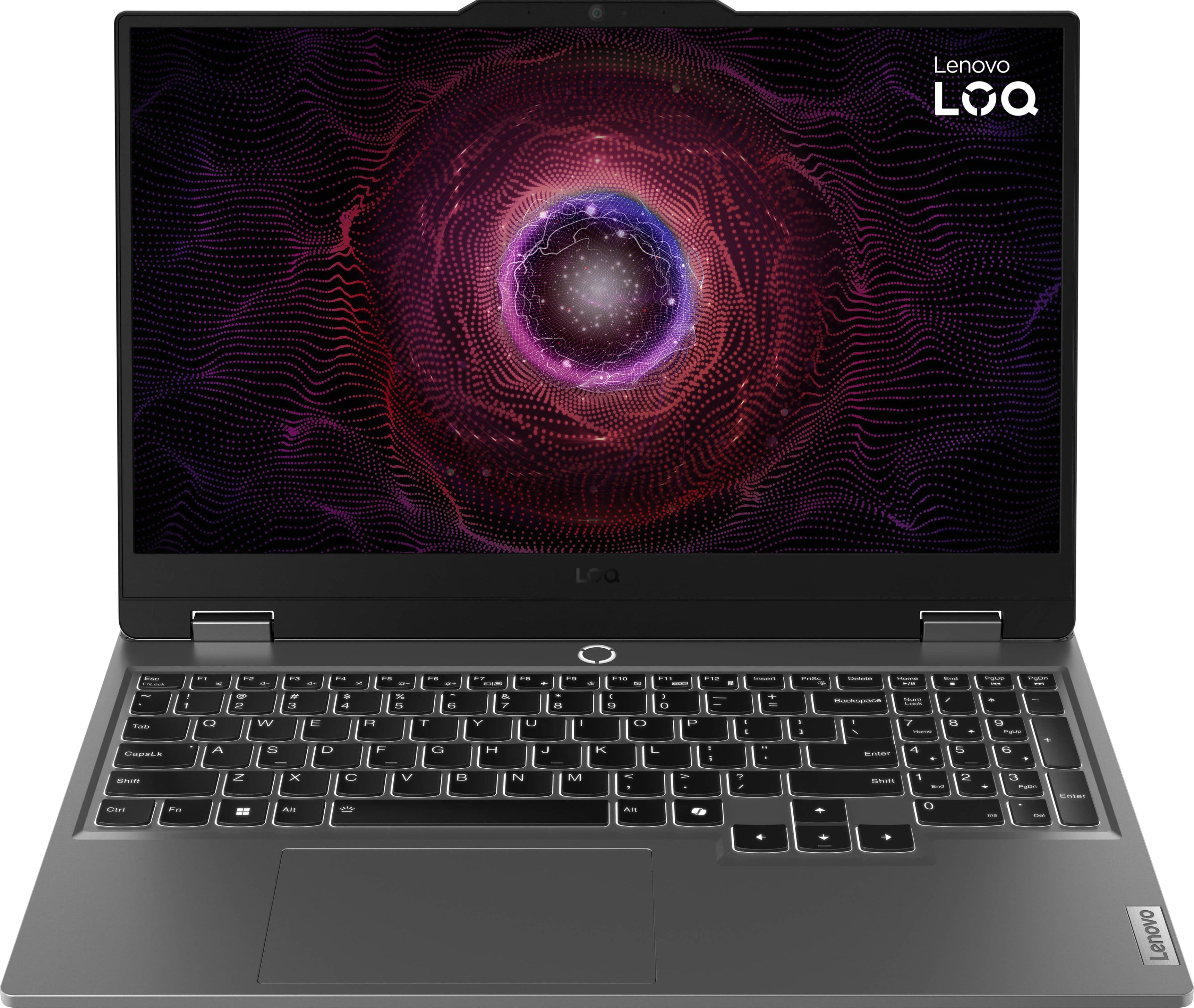
 Lenovo
 Alienware
★ Featured
Alienware
★ Featured
How to Check Your Current RAM Usage
Use built-in tools like Task Manager (Windows) or Activity Monitor (macOS) to monitor RAM usage while gaming. Look for consistent utilization above 80%, signaling a need for an upgrade. For laptops like the ASUS ROG Strix G16, check manufacturer specs or run stress tests to gauge performance. Many models allow RAM upgrades, but ensure compatibility before purchasing.
Conclusion: Balancing Cost and Performance
While 16GB remains the sweet spot for most gamers, premium laptops like the Razer Blade 16 justify 32GB for high-end use cases. Entry-level options like the MSI Katana 15 prove 16GB suffices for mainstream gaming. Evaluate your needs: prioritize 8GB only for budget builds, opt for 16GB for mainstream gaming, and consider 32GB if you stream, multitask, or plan to keep your system long-term. Always pair adequate RAM with a capable GPU, such as the RTX 4070 in the ASUS ROG Strix G16 or the RTX 4090 in the Razer Blade 16, for a balanced setup.
Frequently Asked Questions
Is 8GB of RAM enough for gaming?
For older or less demanding games, 8GB works. However, modern AAA titles and multitasking require 16GB. Laptops like the MSI Katana 15 (16GB) offer better value for current gaming standards.
Should I upgrade my laptop's RAM?
If your current usage exceeds 80% during gameplay or multitasking, upgrading to 16GB or 32GB (like the 32GB in the Razer Blade 16) improves performance. Check your laptop’s upgradeability first.
Does RAM affect gaming performance?
Yes. Insufficient RAM causes slowdowns and crashes, especially in RAM-intensive games. Pairing 16GB+ with a strong GPU (e.g., RTX 4080 in the Lenovo Legion Pro 7i) ensures smooth gameplay.
Compare Gaming Laptops Instantly
Select any two laptops to compare real game frame rates side-by-side.